

Finance Leaders Walkout at IMF Meeting
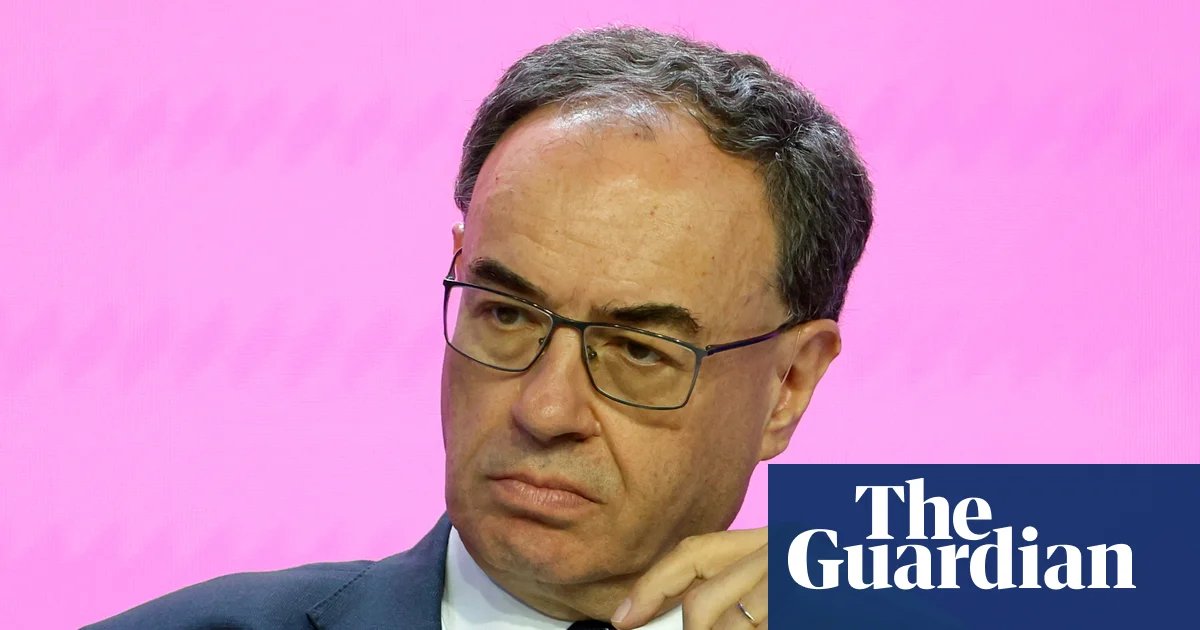
Recently, the Governor of the Bank of England, Andrew Bailey, participated in a significant walkout along with other financial leaders during an International Monetary Fund (IMF) meeting. This coordinated exit was in direct response to Russian Finance Minister Anton Siluanov addressing the group in Russian, a move that has sparked considerable controversy.
Details of the Walkout
Bailey was joined by officials from France, Germany, and several Scandinavian and Baltic nations, all of whom left the session held in Bangkok. The Bank of England confirmed Bailey’s participation in this joint departure.
Unified Stance Among Delegates
According to Joachim Nagel, the President of the German Bundesbank, approximately half of the attendees walked out when Siluanov began to speak. “The Ukraine war is existential for us in Europe,” one European diplomat remarked, emphasizing the serious repercussions of the ongoing conflict.
Responses from International Leaders
The walkout was noted by the chair of the IMF’s steering committee, Mohammed al-Jadaan, who is also the Saudi Finance Minister. He stated, “We came here for a reason, and we achieved it. Look at this chair statement; it clearly shows that all members agreed to this statement, which is what truly matters.”
Concerns About Russia’s Re-entry
Germany has been vocal in cautioning against any attempts to reinstate Russia into the global financial community. Siluanov had previously attended a meeting with the G20 finance ministers and central bankers this year. In a somewhat diverging perspective, the United States has shown support for Russia’s engagement, with U.S. Treasury Undersecretary Erin Browne affirming Washington’s stance despite European hesitations.
State of the Global Economy
During the discussions in Bangkok, participants acknowledged that the global economy has shown significant resilience, even amidst the continued conflict between Russia and Ukraine and challenges related to the Strait of Hormuz caused by ongoing military actions.
Call for Caution
However, al-Jadaan emphasized that complacency is not an option, given the high levels of public debt and elevated bond market rates. After the IMF meeting, he remarked, “The global economy has weathered the latest series of shocks better than expected, but our buffers have been eroded. We cannot take resilience for granted.”
Future Implications
He further cautioned, “Escalating conflicts and trade tensions could lead to additional disruptions in critical trade routes, intensifying pressures on commodity prices, particularly in refined energy products, and worsening global energy and food security.”
Conclusion
The walkout by financial leaders at the IMF meeting underscores the deep divisions surrounding Russia’s involvement in international affairs, notably in the wake of its conflict with Ukraine. While the global economy demonstrates resilience, leaders urge caution as potential disruptions loom on the horizon.
- The Bank of England’s Governor Andrew Bailey participated in a walkout at the IMF meeting.
- Delegates from multiple nations, including Germany and France, left in protest of Russia’s involvement.
- The walkout highlights ongoing tensions related to the Ukraine conflict and Russia’s global relations.
- Despite showing resilience, global economic conditions are precarious and warrant careful monitoring.