

Germany’s AFD Party: A Possible Shift in Political Landscape
Germany is on the verge of a significant political shift with the Alternative for Germany (AFD) party potentially positioning itself to form a state government for the first time since World War II. With regional elections approaching in Saxony-Anhalt, a former East German territory, the AFD is currently polling above 40%. This article explores the implications of such a rise in popularity for the party and the political landscape of Germany.
The AFD’s Rising Star in Saxony-Anhalt
With a population of approximately 2.2 million, Saxony-Anhalt is known as the birthplace of German Protestantism. As the AFD’s leading candidate, Ulrich Siegmund, makes his mark as a social media sensation, he presents himself as an approachable figure appealing to everyday citizens. Lauded by the press as the “popstar” of the AFD, Siegmund is eager to position himself as the party’s first-ever state premier, relying heavily on his social media presence rather than solely on traditional political agendas.
Strategic Minds Behind the Campaign
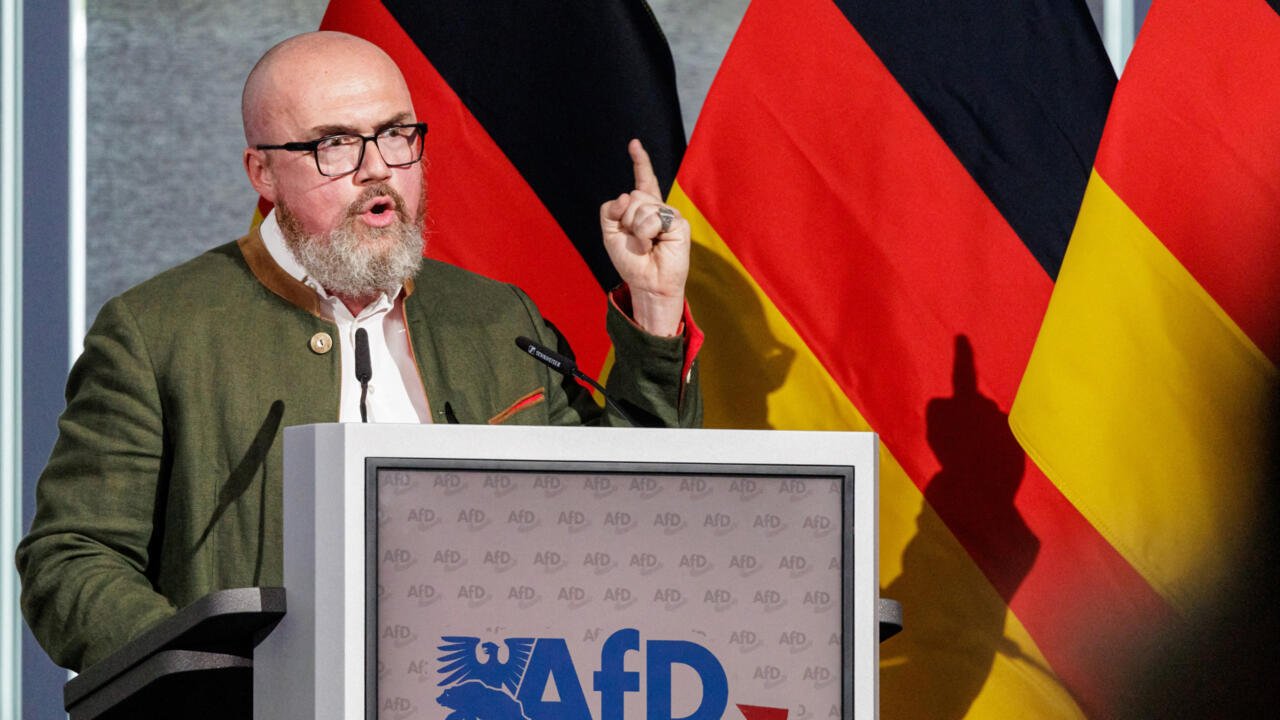
While Siegmund captures public attention, another local politician, Hans-Thomas Tillschneider, is recognized as a key strategist for the AFD in Saxony-Anhalt. Tillschneider, often referred to as the architect behind the party’s extreme platform, has been the driving force behind their most radical ideas. According to political experts, this election cycle presents the AFD’s most openly extreme program yet, prioritizing the rollback of two to three decades of social progress in areas such as LGBTQ+ rights and women’s rights, while promoting staunch anti-immigration policies and downplaying climate change.
Background of Hans-Thomas Tillschneider
Tillschneider’s unique background further shapes his approach. Born in 1978 in Timisoara, Romania, to ethnic Germans, he has a diverse academic history, including studies in Islam and philosophy. His interest in these subjects, alongside his previous engagements with pro-Russian activities, paints a complex picture of the ideologue behind the AFD’s campaign in Saxony-Anhalt. The intersection of culture, education, and nationalism in his vision serves as a fundamental element of the party’s strategy.
Culture Wars and Political Identity
As the AFD campaigns aggressively in Saxony-Anhalt, culture has emerged as a leading focus. Tillschneider has vowed to end public funding for what he deems “anti-German” art, although his definitions remain vague. The party has also vocalized criticism toward the Bauhaus movement, labeling it as a representation of misguided modernity and drawing parallels to past extreme nationalist rhetoric.
The Impacts of Cultural Policies
In emphasizing culture alongside issues of family and immigration, the AFD seeks to normalize far-right discourse and provide regional solutions to broader political problems. This focus on cultural identity is intended to resonate deeply with voters, tightening the party’s grip on the electorate by presenting a narrative of a homogeneous German identity. As Tillschneider continues to champion a “patriotic political culture,” the implications of these cultural battles may extend beyond Saxony-Anhalt, potentially influencing national policies and attitudes.
Conclusion
The upcoming elections in Saxony-Anhalt could herald a new era in German politics. If the AFD secures a significant victory, it will not only mark a turning point for the party but could also reshape the political landscape of Germany for years to come. The blend of Siegmund’s charisma and Tillschneider’s ideological rigor represents a potent combination that could redefine the boundaries of political discourse in the country.
- The AFD could become the first far-right party to govern a state in Germany since WWII.
- Ulrich Siegmund is leveraging social media to appeal to voters as a relatable candidate.
- Hans-Thomas Tillschneider serves as the intellectual force behind the party’s radical agenda.
- The AFD’s focus on culture aims to broaden its appeal and normalize extreme views in society.