

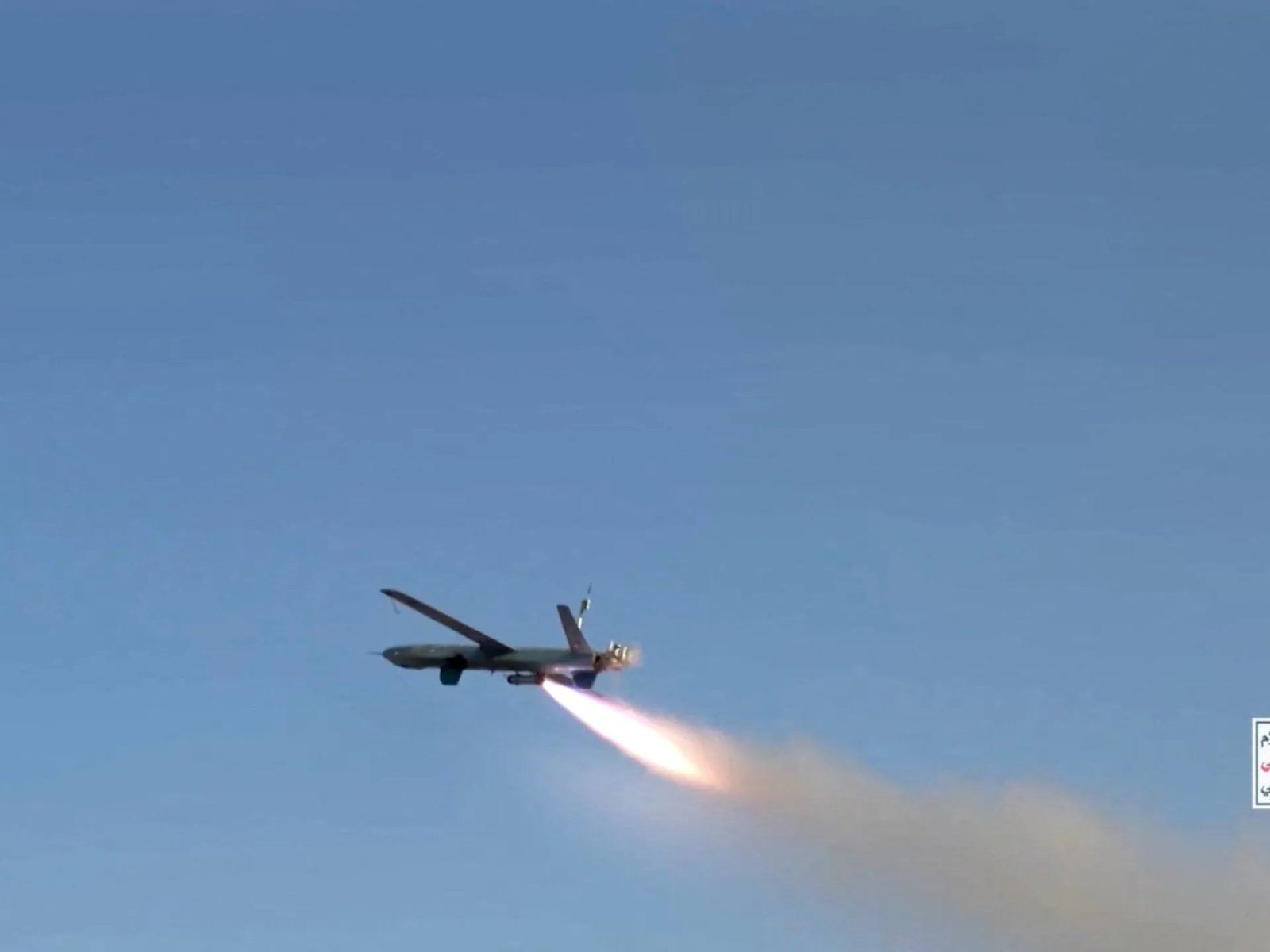
The Evolving Dynamics of Drone Warfare in Yemen
As the conflict in Yemen continues to escalate, particularly in the Red Sea, recent developments reveal intriguing shifts in drone warfare tactics. The Houthis, who have dominated the use of drones for years, are now encountering escalating resistance from government-aligned forces employing similar technology. While this doesn’t necessarily indicate a shift in the overall power balance, the increased drone activity from the government forces may alter the dynamics of the confrontation, especially if it evolves from sporadic strikes to a more coordinated and sustained campaign.
Shifting Tactics in Warfare
For a long time, the Houthis leveraged drones as vital tools in their asymmetric warfare strategy. They utilized these unmanned aerial vehicles to monitor enemy movements and launch attacks on command centers and troop concentrations far removed from direct confrontations. In contrast, government forces often found themselves on the defensive, primarily focused on interception.
However, the landscape is changing. Recently, the Yemeni government has initiated drone strikes against Houthi positions across multiple fronts, including Marib, al-Jawf, Taiz, Hajjah, and al-Dhalea, and has even shared footage of these operations. While parity in drone capabilities is not yet a reality—given the Houthis’ extensive experience and advanced drone infrastructure—the government doesn’t need equal capabilities to create impactful changes on the battlefield.
Vulnerability of Houthi Forces
As the Houthi gatherings, vehicles, and command centers become more exposed to drone strikes, they may be compelled to revise their strategies, focusing on movement and logistics. Forcing an enemy to adapt is, in itself, a significant military achievement.
Houthi Offensive Operations
It’s essential to note that the Houthis are still active offensively. They continue to launch broad operations targeting regions like Marib and Hadramout, while also escalating actions against Saudi Arabia and reinvigorating offenses in the Red Sea and Bab al-Mandeb. However, there is a distinction between taking the initiative and preparing for a potential defensive stance against attacks.
Key Geographical Importance
The locations of recent strikes matter significantly. Marib serves as a critical eastern gateway, harboring vital military and political significance for the government. Targeting positions here not only inflicts losses but also reveals weaknesses in defenses and supply lines.
Similarly, Taiz acts as a central juncture, where offensive actions can pin down substantial forces and limit their rapid reallocation to other fronts. The situation around al-Makha and the western coast is particularly noteworthy. Located near Bab al-Mandeb to the south and the route to Hodeidah to the north, consistent strikes in this area may impact operations if ground conflicts intensify along the coast.
Emerging Patterns in Strategy
Observing the interconnected nature of these fronts indicates a shift in strategy, underscoring the seriousness of potential ground warfare. While it’s premature to declare an impending ground war, the initiation of strategic operations signals that both sides are preparing for all possibilities.
The primary focus moving forward should not be merely the number of drones or missiles used but rather the movement of military forces, reserves, and ammunition. Concentrated movements along specific axes will suggest a transition from defensive probing to serious preparations for engagement.
Government Responses and Strategic Objectives
The statements made by Rashad al-Alimi, Chairman of the Presidential Leadership Council, are crucial in this context. He offered the Houthis a chance to engage politically while emphasizing that further attacks would be met with decisive responses. His claim of a strategic goal to restore state institutions highlights the importance of maintaining a monopoly over arms to achieve sustainable peace.
However, his rhetoric gains weight only with accompanying actions on the ground. The introduction of government drones into operations, artillery activity on various fronts, and enhanced military readiness illustrate a shift from mere words to concrete military strategy.
Regional Implications and Broader Context
This evolving situation takes place against a complex regional backdrop. The instability observed in the Strait of Hormuz and the ongoing US-Israeli stance towards Iran heighten the strategic importance of the Red Sea. As security in Hormuz diminishes, controlling trade and energy routes through the Red Sea becomes even more critical for Saudi Arabia.
The geopolitical dynamics are intricate: with Iran exerting pressure on Hormuz, the Houthis threaten Bab al-Mandeb, while Saudi Arabia stands strategically between both corridors. Consequently, Saudi efforts to secure the Red Sea could lead to a scenario whereby Yemeni forces bear the brunt of ground confrontations, while Saudi Arabia and its allies provide overarching support and deterrence for maritime routes.
Unfortunately, the current trajectory suggests that all parties are veering towards a brink of war. The Houthis are probing the limits of their influence over Saudi Arabia and international shipping, while government forces are experimenting with new military capabilities and strategies. In the meantime, Saudi Arabia is working on its deterrence strategies amidst the backdrop of the US-Iranian tensions. The outcome of these actions could create an environment ripe for strategic miscalculations, potentially leading to open warfare.
Conclusion
The rapid changes in drone warfare dynamics between the Houthis and Yemeni government forces have far-reaching implications for the ongoing conflict in Yemen. As both sides adapt to new strategies and technologies, the battlefield landscape continues to evolve, underscoring the complexities of this protracted war.
Key Takeaways
- The Houthis face increasing drone attacks from governmental forces, altering the warfare equation.
- Targeted regions like Marib and Taiz are critical for both offensive strategies and potential ground engagements.
- Government military readiness is on the rise, possibly leading to a new operational doctrine against Houthi offensives.
- Geopolitical tensions in the region exacerbate the conflict, making a broader war a looming possibility.