

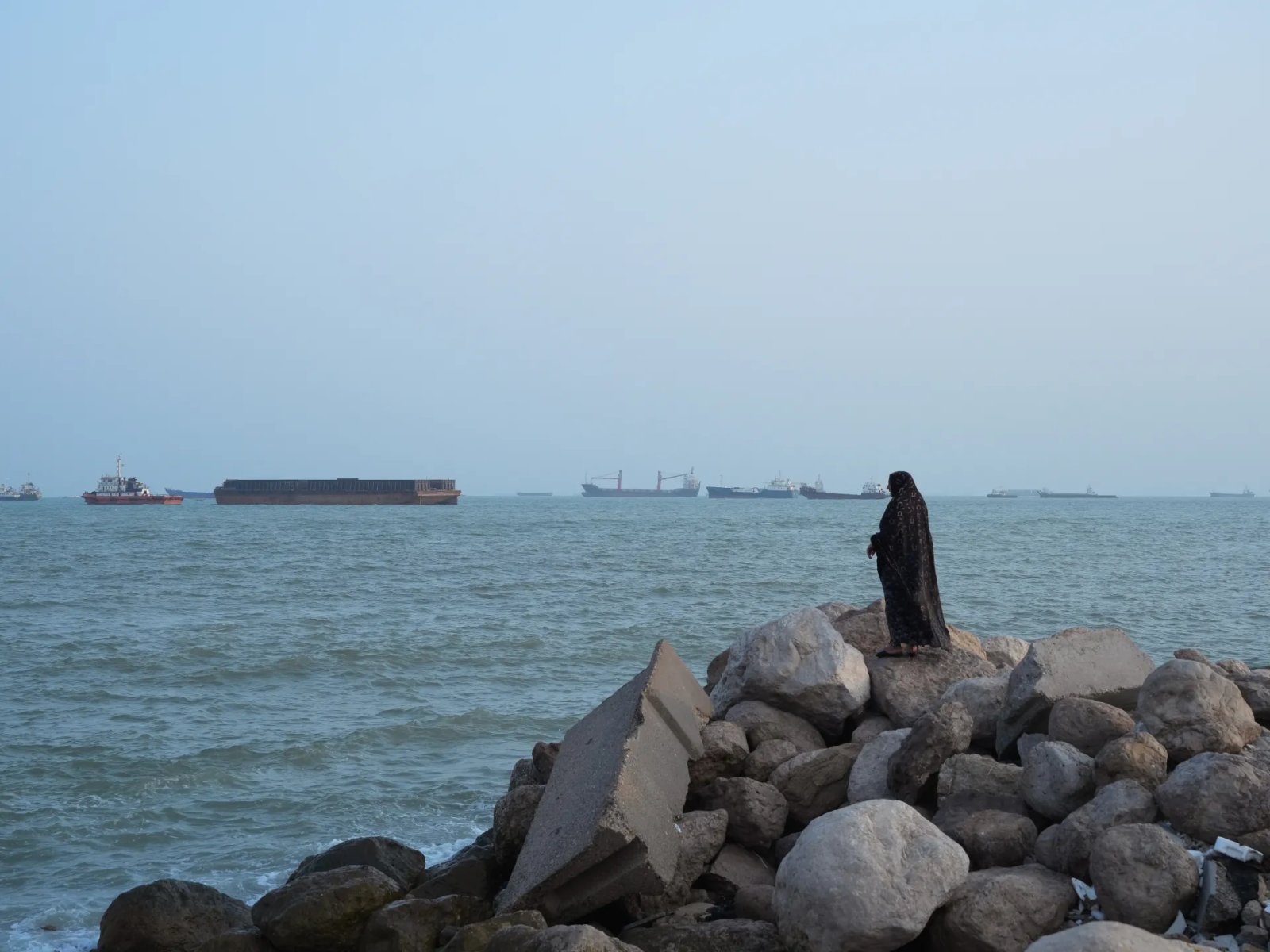
Iran Claims Control Over the Strait of Hormuz, Countering US Dominance
In a bold statement that challenges US assertions of supremacy, Iran has declared its complete authority over the Strait of Hormuz. This announcement follows President Donald Trump’s claims that the United States maintains “total control” over this crucial maritime route.
Iran’s Position on the Strait
Hojjatoleslam Hossein Taeb, commander of Iran’s paramilitary Basij Organisation, emphasized during a speech that the Strait of Hormuz is “under Iran’s control and management.” He noted that Iran continues to navigate this strategic waterway securely. “Today you see that the Strait of Hormuz is under the management and control of the Islamic Republic,” Taeb stated, as reported by Iran’s semi-official Fars news agency.
Context of the Tensions
This declaration from Iran comes shortly after Trump reiterated on his Truth Social platform that the U.S. maintained “total control” over the waterway. The geopolitical climate surrounding the Strait of Hormuz has significantly intensified since the outbreak of the US-Israeli conflict with Iran on February 28, effectively blocking the strait that previously handled about a fifth of the world’s oil and liquefied natural gas.
U.S. Military Actions
In response to the escalating tensions, the U.S. has enforced a naval blockade on Iranian shipping and announced its intentions to safeguard freedom of navigation for all vessels traveling to and from non-Iranian ports. Iran’s Khatam al-Anbiya Central Headquarters asserted that “no vessel could transit the Strait of Hormuz without Tehran’s permission,” dismissing U.S. claims that navigation remains normal as nothing more than “lies and falsehoods.”
Future of Navigation in the Gulf
Senior military political figure Rasoul Sanaei-Rad further clarified that Iran would only consider reopening the strait if the U.S. fulfills its commitments outlined in the interim agreement designed to resolve ongoing conflicts. He stressed that this decision would not be unilateral and warned of a more forceful Iranian response in potential future confrontations, stating, “In a possible future war, we will stand more firmly and more offensively.”
Ceasefire Developments
In June, both nations had reached a temporary agreement to extend a ceasefire that began in April, promoting a swift return to freedom of navigation in the Gulf. However, the situation deteriorated after Iran resumed attacks on vessels it accused of violating the agreed terms, leading the U.S. to resume strikes targeting Iranian positions, which they claim were aimed at limiting Tehran’s ability to threaten shipping routes.
Iran’s Strategic Outlook
According to Michael Stephens, a senior associate fellow at the Royal United Services Institute (RUSI), Iran is seeking to prolong the conflict, believing that the economic pressures pose no immediate threat to its regime. “That existential threat is gone,” he remarked. The intention seems clear: Iran aims to escalate tensions in a way that increases economic pressure on President Trump.
Misjudgments and Intelligence Failures
Iranian Foreign Minister Abbas Araghchi remarked on the U.S.’s long-standing miscalculations, particularly concerning intelligence failures, including those leading up to the recent war against Iran. He criticized Washington’s approach in the Strait of Hormuz as indicative of an even larger miscalculation, stating, “Worse than fake news is fake intelligence.”
Conclusion
The ongoing complexities around the Strait of Hormuz reveal a growing rift between Iran and the United States, emphasizing both nations’ conflicting claims over control of this strategic waterway. As tensions grow, the outcome will significantly impact global oil transportation and geopolitical stability in the region.
Key Takeaways
- Iran claims complete control over the Strait of Hormuz, contradicting U.S. assertions of dominance.
- The U.S. has initiated a naval blockade on Iranian shipping amidst heightened tensions.
- Future navigation agreements depend on U.S. adherence to prior commitments.
- Iran believes economic pressures do not threaten its regime’s survival and seeks to escalate confrontations.