

Major Drug and Human Smuggling Network Taken Down in the Western Mediterranean
Authorities have successfully dismantled one of the largest criminal networks involved in drug and human trafficking in the western Mediterranean. This extensive operation led to the arrest of 78 individuals in Spain and Algeria, according to Europol, and has revealed a network engaged in various other illegal activities, such as violent robberies, extortion, illegal detentions, and money laundering.
Details of the Operation
The criminal organization was primarily focused on trafficking synthetic drugs from Spain and Portugal to Algeria. Interestingly, during their return trips, they also smuggled migrants and weapons to both the Spanish mainland and the island of Ibiza using specially designed “ghost speedboats.” These boats, which avoid registration and detection, played a crucial role in their operations.
Seized Items and Locations
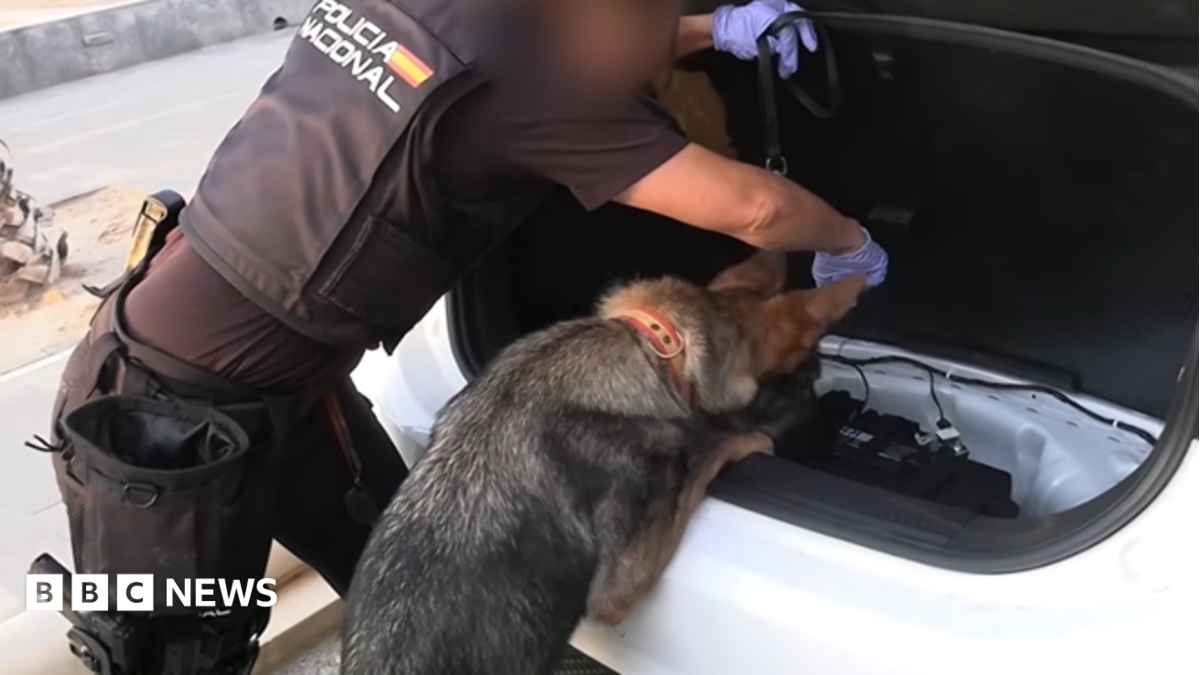
In a coordinated sting led by Spanish law enforcement, authorities conducted searches at 17 locations throughout Spain, including Alicante, Almería, Cartagena, and Murcia. The operation resulted in a significant haul, which included:
- 18 high-speed vessels valued at €5 million (£4.2 million)
- Firearms
- Over €25,000 (£21,400) in cash
- 15,000 MDMA pills
Criminal Activities Uncovered
Europol’s reports indicate that this network had evolved to become a dual-purpose criminal enterprise, maximizing profits through a variety of smuggling routes from Spain and Portugal to Algeria. They dealt primarily in synthetic drugs, firearms, and even explosives, all while charging up to €12,000 (£10,200) per person for smuggling migrants.
According to estimates, they could transport over 50 migrants in a single trip, with earnings from just migrant smuggling exceeding €24 million (£20 million). Additionally, the network provided logistical support to other organized crime groups, facilitating the movement of illegal goods and individuals across the Western Mediterranean.
Operational Tactics
Authorities suspect the group effectively coordinated multiple trafficking routes, moving synthetic drugs and sometimes people from France and Spain to Algeria, while smuggling cannabis resin, weapons, and migrants in the opposite direction. This often involved utilizing a fleet of high-powered speedboats for swift maritime operations, where ghost speedboats were particularly essential for avoiding detection.
Once the goods or individuals were exchanged at sea, members of the organization arranged further land transport. Unfortunately, many migrants were transported in overcrowded boats, lacking proper lighting or life jackets, and often faced perilous weather conditions.
Human Rights Violations
Investigators have raised serious concerns regarding the treatment of these migrants, alleging incidents of sexual assault, physical abuse, and inhumane living conditions in makeshift housing arrangements. Most of the suspects in this extensive operation have been identified as being of Algerian descent and have established connections with various criminal groups across Europe, including those in France, Belgium, Portugal, Italy, and Poland.
Additional Materials Seized
In the course of this operation, law enforcement authorities also confiscated valuable assets such as satellite phones, GPS devices, encrypted communication systems, and satellite dishes.
Context and Conclusions
This significant announcement comes on the heels of an influx of around 78,000 migrants into the Spanish North African territory of Ceuta, which sparked from online speculation about an open border. While most migrants have returned to Morocco, estimates suggest that between 3,000 and 5,000 remain in the territory, as highlighted by the exclave’s leader, Juan Jesús Vivas.
Key Takeaways
- A major smuggling network in the western Mediterranean has been dismantled, with 78 arrests made.
- Authorities seized various assets, including high-speed vessels, firearms, and cash.
- The network was involved in both drug trafficking and human smuggling, generating substantial profits.
- Concerns over human rights violations during the transportation of migrants have been raised.