

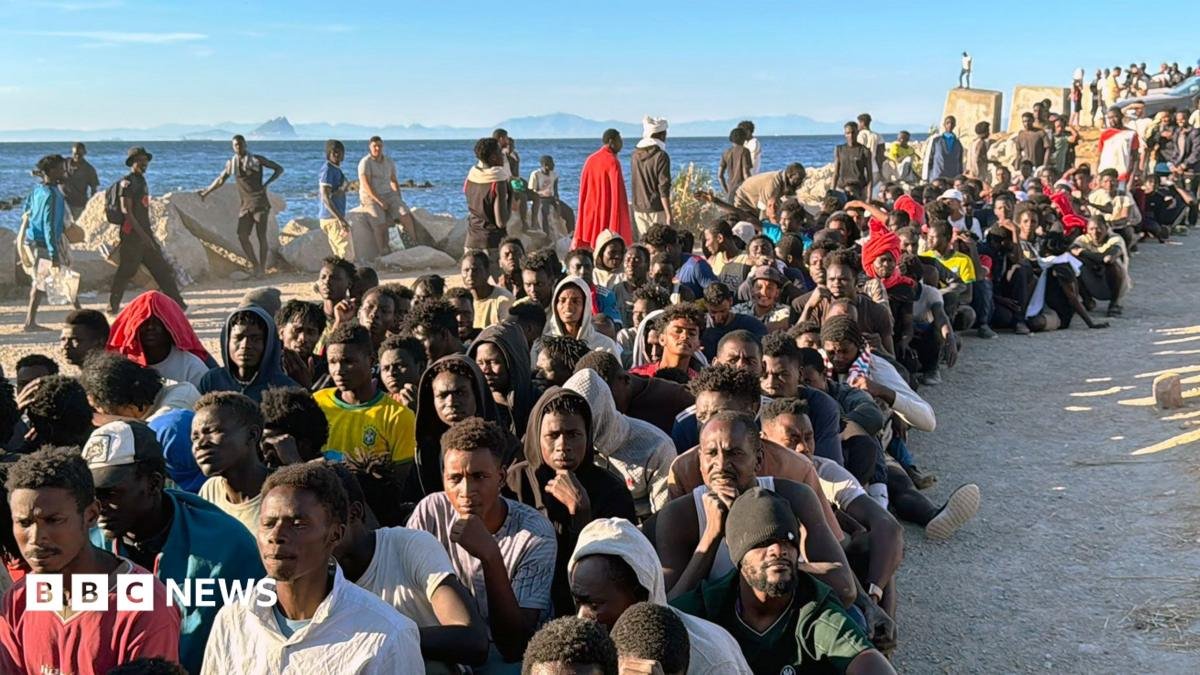
Understanding the Migrant Crisis in Ceuta
The recent surge of migrants attempting to cross into Ceuta has sparked significant discussion and concern across Europe. With tens of thousands of individuals making the perilous journey, experts suggest that disinformation propagated by criminal networks might be influencing this trend. This article delves into the underlying factors contributing to this crisis, the diplomatic repercussions, and the current situation for unaccompanied minors in Ceuta.
The Role of Disinformation
EU’s Migration Commissioner Magnus Brunner indicated that misinformation campaigns could be driving many migrants to attempt crossing into Ceuta. This perspective aligns with the position taken by the Spanish government, suggesting that the challenges faced at the borders may not solely be due to the actions of migrants but also to the misinformation that surrounds the smuggling of individuals.
Judicial Impact on Migrant Policies
The conflict intensified following a ruling by Spain’s Supreme Court, which determined that migrants intercepted at sea while heading toward Ceuta or Melilla could not be returned to Morocco without due process. This decision has incited further debate regarding the legal position of these Spanish territories, which are diplomatically contentious with Morocco, as the latter does not acknowledge Spain’s sovereignty over them.
Concerns About Border Control
The sheer volume of individuals swimming to Ceuta has led to questions surrounding the effectiveness of Morocco’s border controls. Observers have noted that the absence of a robust response from Moroccan authorities during this mass migration triggers discussions about the operational capacity of border forces in such critical situations.
Diplomatic Tensions Among EU Nations
The crossings have exacerbated tensions within the EU, particularly among Schengen Zone countries, which are supposed to maintain open borders. Italy’s recent move to suspend its agreement concerning migrants gained support from Finland and Denmark. Meanwhile, the Czech Republic has called for a temporary halt to Spain’s membership in the agreement.
Morocco’s Perspective on the Crisis
In response to the escalating situation, Morocco has shifted the blame towards Spain’s Supreme Court. An anonymous official from the Moroccan government stated that the judicial decision compromised the existing deterrence measures, consequently leading to a situation where the floodgates have opened due to legal changes rather than a surge in criminal activity.
The Situation of Minors in Ceuta
Reports have presented a worrying picture of nearly 1,400 minors—many identified as “very young boys and girls”—who remain in Ceuta following the recent influx. Spanish Youth Minister Sira Rego has addressed the situation, stating, “The system was overwhelmed, but efforts are underway to regain control.” She emphasized that while many vulnerable cases are being prioritized, addressing the needs of these minors requires time and careful management.
Conclusion
The ongoing migrant crisis at Ceuta is deeply complex, involving factors such as disinformation, judicial rulings, and international negotiations. As the situation develops, it highlights the urgent need for coordinated responses that prioritize the safety and well-being of those affected, particularly vulnerable young migrants.
Key Takeaways
- The surge in migrant attempts to cross into Ceuta may be influenced by criminal disinformation.
- Recent judicial rulings have significantly affected Spanish policy on migrant returns.
- There are rising diplomatic tensions within the EU regarding border control and migrant agreements.
- Current efforts are focused on managing the situation of minors still in Ceuta, amid claims of system overwhelm.