

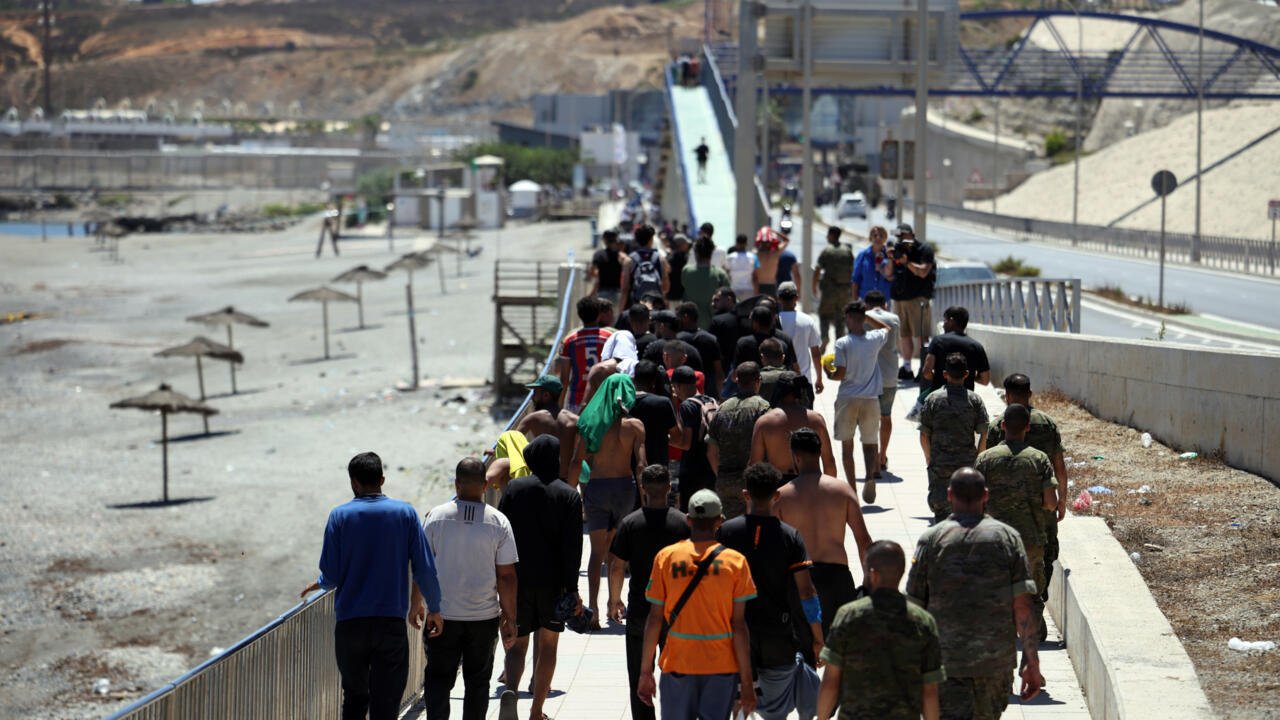
Ceuta Faces Migration Crisis: Urgent Calls for Assistance
The recent surge in migrants arriving in Ceuta, Spain’s North African territory, has prompted urgent calls for government intervention. Local leaders are sounding alarms over the overwhelming number of unaccompanied minors left in dire conditions. This article delves into the current situation and the appeals being made for aid.
The Current Crisis in Ceuta
Last week, Ceuta experienced an unprecedented influx, with around 70,000 migrants crossing from Morocco. Fortunately, most have returned, but roughly 2,500 remain, including a significant number of vulnerable children. The conditions these children face are alarming, lacking essential resources such as food, water, and proper shelter.
Highlights of the Situation
- Ceuta’s leader, Juan Jesus Vivas, has identified the number of unaccompanied minors, which is currently around 1,100, as “unsustainable”. The region’s capacity to manage these individuals is far exceeded, posing risks to public order.
- Vivas is part of the conservative Popular Party (PP) and has publicly requested assistance from the central government, highlighting the urgent need for help in caring for these minors.
The Response from Local Authorities
Miguel Angel Perez, the Spanish government’s top official in Ceuta, confirmed that the situation is being treated as a priority concern. Meanwhile, data from the charity Save the Children suggests that around 1,000 minors remain unprotected among the migrant population.
Vivas stated his plea on national television, emphasizing the need for collaborative support from across Spain, but there may be obstacles relating to the redistribution of children. Resistance is expected from PP and Vox party-led regions, complicating relocation efforts.
Emergency Funding and Government Action
The Spanish government has introduced emergency funding totaling 25 million euros (approximately $29 million) to aid Ceuta’s efforts in managing this crisis. Vivas highlighted that he had alerted Prime Minister Pedro Sanchez’s office about the escalating situation well in advance, indicating that they were “headed for serious trouble”.
Despite his alerts, Vivas claims he was informed that declaring a national state of emergency was “not legally possible.” This has raised concerns regarding governmental preparedness and responsiveness to the crisis.
Conclusion
The situation in Ceuta underscores the urgent need for effective immigration management and support systems, particularly for vulnerable populations such as unaccompanied minors. Local leaders’ urgent calls reflect a pressing humanitarian need that must be addressed collaboratively.
Key Takeaways
- Ceuta has seen an overwhelming number of migrants, particularly unaccompanied minors.
- Local authorities are requesting urgent assistance from the central government to handle the crisis.
- Emergency funding has been allocated, but significant challenges remain in addressing the needs of the remaining migrants.
- Political resistance may hinder efforts to redistribute minors to other parts of Spain.