

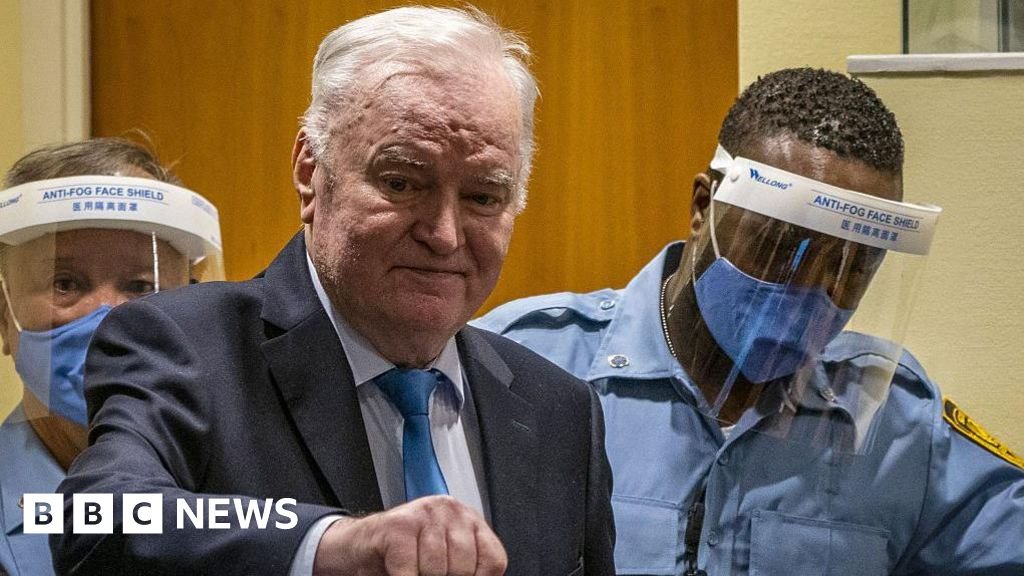
The Legacy of Ratko Mladic: A Dark Chapter in Bosnian War History
Ratko Mladic was a key military leader during the Bosnian War in the 1990s, overseeing Bosnian Serb forces as they engaged in conflict against both the Bosnian Croat and Bosniak armies. His command was marked by events that would leave an indelible mark on the region’s history, including allegations of systemic “ethnic cleansing” aimed at Bosniaks, along with a devastating siege of Sarajevo that claimed over 10,000 lives. Perhaps most notoriously, Mladic’s forces were responsible for the tragic massacre of around 8,000 men and boys in Srebrenica, an act that has been widely condemned as one of the darkest moments in contemporary warfare.
Military Leadership and Strategies
Mladic’s strategic approach was defined by his aggressive tactics and a willingness to utilize overwhelming force. His leadership role in the military operations highlighted a complex interplay of regional power struggles that had been brewing for years. During the conflict, his troops engaged in various atrocities that have been classified as war crimes, fundamentally altering the social fabric of Bosnia-Herzegovina.
Siege of Sarajevo
One of the most harrowing aspects of Mladic’s military campaign was the prolonged siege of Sarajevo. This city, once a bustling cultural hub, found itself under relentless bombardment. The siege resulted not only in a staggering loss of life but also in profound psychological wounds for the survivors. The international community has scrutinized these actions, calling them a blatant violation of human rights.
The Srebrenica Massacre
The Srebrenica massacre stands as perhaps the most horrifying legacy associated with Mladic. In July 1995, his forces surrounded the town and systematically executed thousands of Bosniak men and boys. This atrocity shocked the world and has become a symbol of the horrors of war and ethnic hatred. The subsequent legal proceedings and historical investigations have aimed to bring justice for the victims and provide some closure for the families affected by this tragedy.
Conclusion
Ratko Mladic’s role in the Bosnian War paints a somber picture of a conflict rife with brutality and loss. As military commander, his orders led to severe human rights violations that continue to resonate in the historical memory of Bosnia. Understanding this dark chapter is crucial for fostering reconciliation and preventing the repetition of such atrocities in the future.
Key Takeaways:
- Mladic commanded Bosnian Serb forces during the 1990s Bosnian War.
- His troops committed widespread ethnic cleansing and atrocities, including the Sarajevo siege.
- The Srebrenica massacre is a chilling reminder of the conflict’s brutality.
- The consequences of his actions are still felt, emphasizing the importance of historical awareness.