

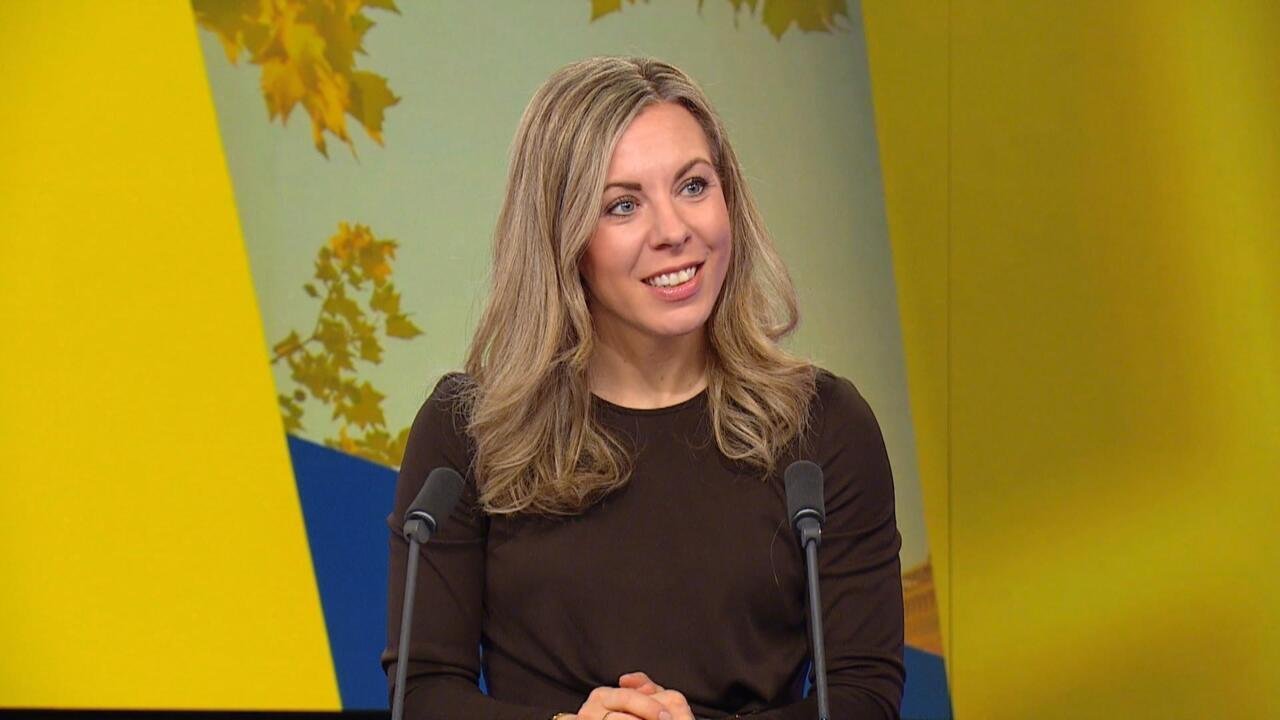
Insights from Sweden’s Minister for EU Affairs on Energy, Ukraine, and Tech Innovation
During her recent visit to France, we had an insightful conversation with Jessica Rosencrantz, Sweden’s Minister for EU Affairs. Our discussion revolved around the pressing energy crisis in Europe, the evolving relationship between Sweden, the EU, and Ukraine, as well as Sweden’s vibrant technology and innovation landscape.
The Energy Crisis in Europe
Starting with the ongoing energy crunch driven by the conflict in the Middle East, the Swedish government has suggested that fuel rationing could become necessary. Rosencrantz emphasized, “We are implementing measures to mitigate the effects of price spikes, such as reducing the tax on electricity.” She highlighted the importance of supporting both consumers and businesses during this challenging time. However, she also stressed that long-term solutions should remain a priority: “We must focus on enhancing our competitiveness by simplifying regulations and fully supporting the single market.”
Moreover, she pointed out the risks associated with dependence on fossil fuel imports, stating, “Relying on oil and gas from the Middle East or Russia presents significant challenges. It adversely affects climate, economic stability, and national security.”
Support for Ukraine
Sweden is recognized as a key provider of both economic and military aid to Ukraine. In light of recent political changes following the Hungarian elections, Rosencrantz remarked on the unblocking of the EU’s €90 billion loan to Ukraine: “This was a significant development, and I’m pleased with Hungary’s new stance. However, it is just a step forward.” She introduced Sweden’s straightforward two-point plan: “We advocate for increased support to Ukraine alongside heightened pressure on Russia.”
Regarding Ukraine’s aspirations to join the EU, she stated, “Ukraine is a natural fit within the European community. However, from a Swedish perspective, the process must be merit-based. Candidate countries must undertake necessary reforms. While Ukraine is actively progressing, the EU should not act as a barrier. We should facilitate negotiations and allow the reform pace in Ukraine to dictate the timeline.” She expressed hope that Hungary would align with this perspective as well.
Sweden’s Thriving Tech Scene
Next, we explored Sweden’s flourishing tech industry, one of Rosencrantz’s key focal points. “I’m incredibly proud of the Swedish tech landscape,” she stated. “We are ranked as the top innovator in the EU and second globally.” Investing in stocks and funds is often viewed as a hobby in Sweden, showcasing a robust culture of financial engagement.
Rosencrantz believes Sweden’s successful approach to capital markets can serve as a model for the rest of Europe: “While we aim for simplification and a reduction in bureaucracy—which is a common topic across Europe—it’s essential that we transform discussions into tangible actions. The Swedish government is actively engaged in various omnibus packages, including initiatives in artificial intelligence. These efforts aim to create a conducive environment for entrepreneurs and tech firms to scale and thrive, ensuring they remain competitive within Europe.”
Conclusion
The dialogue with Jessica Rosencrantz highlights Sweden’s proactive stance on vital issues facing Europe today, from energy security and support for Ukraine to fostering innovation in the tech sector. Her insights illustrate the importance of strategic cooperation and reform to navigate current challenges effectively.
- Sweden is addressing the energy crisis with measures like tax reductions on electricity.
- The country advocates for strong support for Ukraine accompanied by pressure on Russia.
- Sweden ranks highly in innovation, fostering a rich tech environment that serves as a European model.
- Long-term competitiveness requires transitioning discussions into concrete reforms across EU regulations.